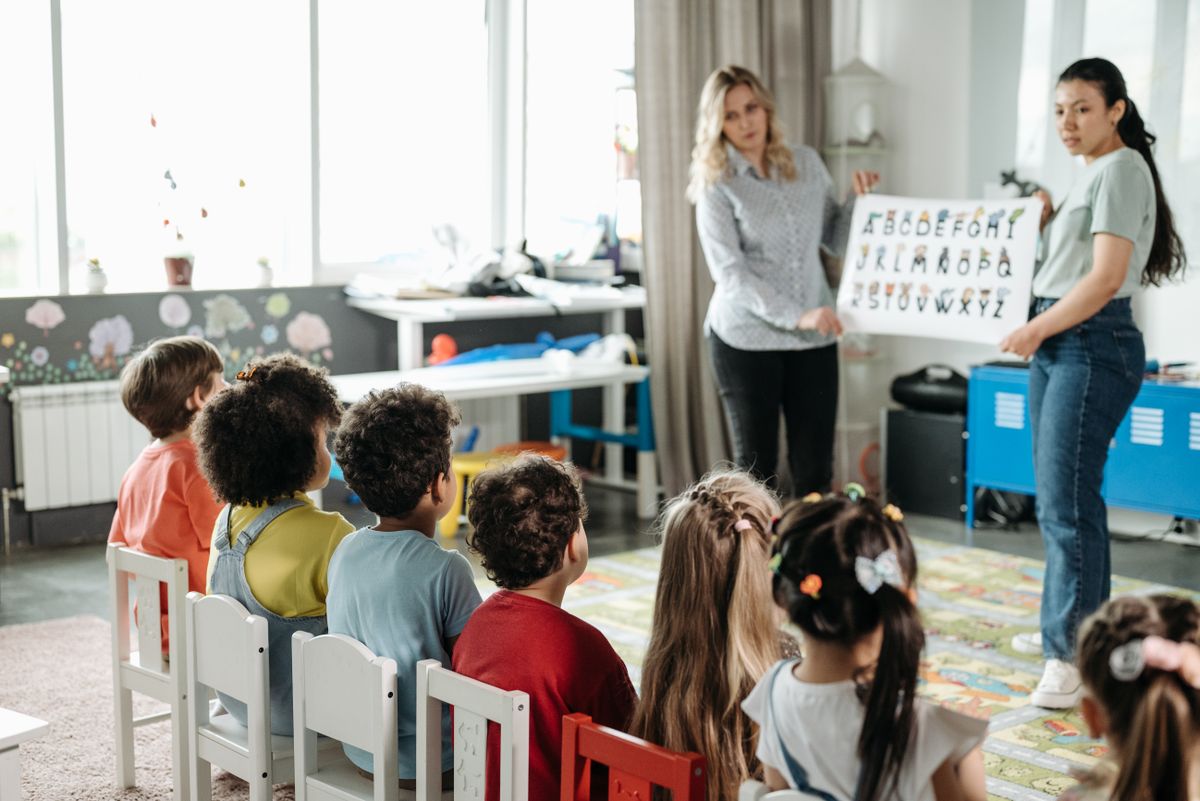
Ask any toddler what comes after snack and they will tell you: garden time, then story. That certainty is a superpower. When children can predict their day, their brains spend less energy on worry — and more on playing, talking, and daring to try.
Rhythm, not rigidity
Our days follow the same reassuring order — hello song, play, snack, garden, story — but the contents change with the children's fascinations. Structure is the riverbank; curiosity is the river. A rainy Tuesday might move the garden indoors, and the picture timetable shows children exactly that.
Three routines worth copying at home
- The goodbye ritual. Same hug, same window wave, same "see you after story time" — then go. Lingering stretches tears.
- The tidy-up song. One short tune signals transitions before instructions do. Children join in before they comply.
- The calm-down corner. Cushions, books, and a glitter jar — a place to reset, never a punishment.
"A predictable day is a love letter to a child's nervous system."
What changes first
Families usually notice easier bedtimes within a fortnight — the day's rhythm carries home. Mornings get smoother too, because "school day" stops being a surprise. If Mondays stay wobbly after a month, your key teacher will sit down with you and redraw the routine around your child.
Experience our rhythm firsthand
Join a morning from hello song to snack.